
Safety vs Branding: Durable Workwear Compared


Table of Contents
- Durable Workwear Compared: Safety Features vs Branding Options
- AS/NZS 4602.1 Compliance Standards: What Your Gear Must Meet
- Custom Embroidery for High-Vis Jackets and Shirts
- Benefits of Branded Employee Uniforms for Team Cohesion
- Functional Safety Features: Reflective Tape, Fabrics and Comfort
- ROI and Maintenance: Getting Value from Durable Workwear
- Frequently Asked Questions
Last Updated: September 10, 2026
Durable Workwear Compared: Safety Features vs Branding Options
Choosing durable workwear for a team usually comes down to a tug-of-war: does the gear prioritise enhanced safety on the job, or professional team branding? The answer, for most operations, is both, and the gear that delivers both is what separates a one-season purchase from a long-term investment. This comparison from Hi Vis Work Clothes breaks down where safety features and branding options overlap, where they conflict, and how to spec garments that hold up on site without turning your crew into walking billboards with peeling logos.
Below, we compare safety-first and branding-first approaches across compliance, customisation, comfort, and cost of ownership. The trade-offs are real, but they are smaller than most procurement guides admit.
Quick Comparison: Safety-First vs Branding-First Workwear
| Criteria | Safety-First Approach | Branding-First Approach | Best Balance |
|---|---|---|---|
| Priority | Compliance and hazard protection | Corporate identity and recognition | Compliant garments with logo placement |
| Fabric choice | High-visibility, flame-resistant where required | Durable, presentable fabrics | Breathable hi-vis blends |
| Customisation | Minimal, often none | Full logo coverage | Embroidery on compliant base garments |
| Typical risk | Generic look, low team cohesion | Non-compliant gear, safety gaps | None, if spec is right |
| Best for | High-risk sites, strict audits | Client-facing and low-risk roles | Most construction, logistics and field teams |
Safety-first gear protects the wearer; branding-first gear promotes the business. The strongest programs treat branding as a layer applied to a compliant garment, never a substitute for one.
AS/NZS 4602.1 Compliance Standards: What Your Gear Must Meet
Compliance is not optional, and it is not a branding decision. AS/NZS 4602.1 sets out the design and performance requirements for high-visibility safety garments, and any branded workwear you order for a site must meet the class that matches the risk and lighting conditions your team works in.
Day/Night vs Night-Only Garment Classes
High-visibility garments are classified by when they can be worn. Day-use garments rely on fluorescent fabric to stand out against backgrounds. Night-use garments rely on retroreflective tape to bounce light back to drivers and plant operators. Day/night garments combine both, using fluorescent fabric plus reflective tape, and these are the safest default for crews working across a full shift.

The practical rule: match the class to the worst lighting condition your team faces, not the average. If a crew starts before dawn or finishes after dusk, day-only gear leaves them exposed. Checking the Safe Work Australia guidance on high-visibility clothing against your site risk assessment is the fastest way to confirm which class applies before you commit to a bulk order.
Custom Embroidery for High-Vis Jackets and Shirts
Custom embroidery for high-vis jackets and shirts is the point where branding and compliance have to cooperate. Embroidery is stitched directly into the garment, so it does not crack, peel, or wash off the way some printed transfers can, which matters when gear is worn hard and laundered constantly.
The catch is placement. Reflective tape and fluorescent panels are performance features, and covering them with a logo undermines the garment. The fix is straightforward: embroider the chest, back yoke, or sleeve on the fabric sections, and leave the tape and high-visibility panels untouched. A left-chest logo on a work shirt or a back logo on a vest gives you brand recognition without compromising hazard protection.
For teams that need faster turnaround or larger coverage, screen printing is a viable alternative, but it belongs on the fabric, not across reflective strips. If you are weighing the two, embroidery wins on durability for workwear that gets beaten up; printing wins on cost for high-volume, lower-wear garments.
Benefits of Branded Employee Uniforms for Team Cohesion
Branded uniforms do more than advertise. A consistent uniform signals who belongs on site, which supports site safety by making it easier to spot authorised personnel, and it builds the kind of team cohesion that shows up in how crews present themselves to clients.
The benefits of branded employee uniforms extend to workplace culture. When everyone wears the same compliant gear, the distinction between senior and junior staff blurs, and the team reads as one unit. That professional appearance carries weight with clients and inspectors alike, and it reinforces brand recognition every time a crew rolls onto a job.
There is a practical edge too. A uniform policy removes the daily decision of what to wear, and it makes sizing and replacement predictable across multiple crews. For teams spread across regions, standardising on one branded range simplifies ordering and keeps everyone in gear that meets the same standard.
Functional Safety Features: Reflective Tape, Fabrics and Comfort
The safety features that matter most are the ones workers actually keep wearing. Reflective tape, durable fabrics, and comfort details determine whether a garment gets worn all shift or gets left in the ute. The technical question most guides skip is how branding placement interacts with those features and with the standards that govern them.
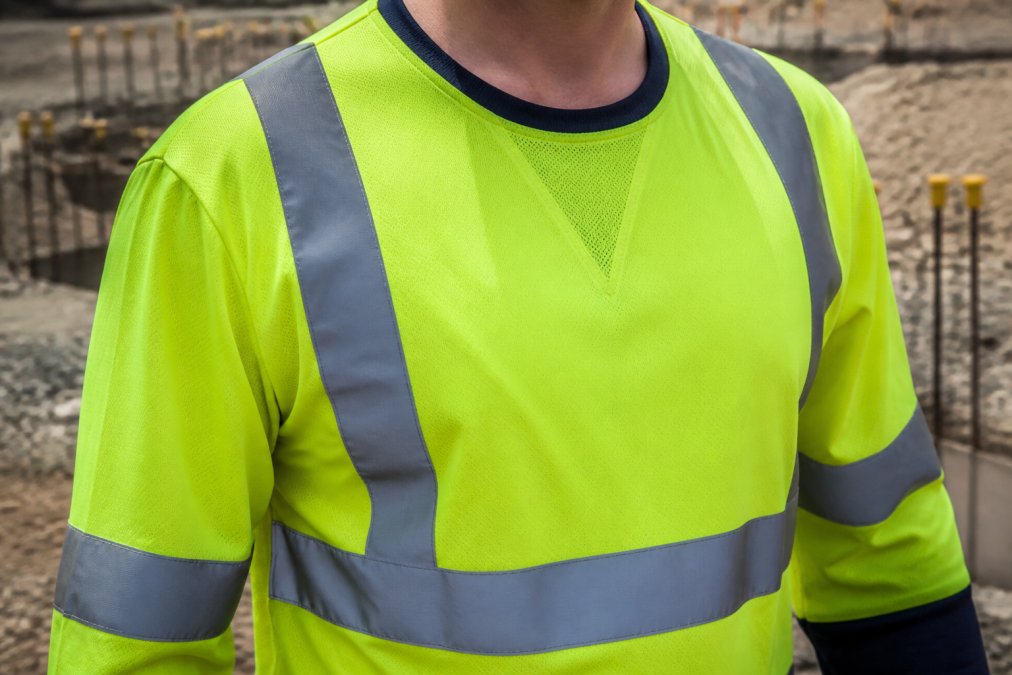
Reflective Tape: Performance and Placement
Start with the tape. Reflective strips should be securely bonded or stitched so they do not lift at the edges after repeated washing. Reinforced seams at stress points extend workwear longevity, and a garment that holds its shape after a season of laundering is cheaper per wear than a cheaper one that fails early.
Placement is governed by the relevant high-visibility standard. AS/NZS 4602.1 sets out requirements for the configuration and minimum areas of retroreflective material. Covering tape with a logo, or interrupting the required tape pattern, can take a garment out of compliance even if the tape itself is intact. The safe approach is to treat tape and fluorescent panels as untouchable and place branding only on the fabric sections between them. A left-chest logo on a work shirt or a back logo on a vest gives you brand recognition without compromising hazard protection.
How Decoration Affects Fabric Performance
Decoration methods interact with fabric in different ways. Embroidery adds needle perforations, which can slightly reduce the integrity of the fluorescent background if stitching is dense or spread over a large area. Screen printing adds a layer on top of the fabric, which can stiffen the garment or interfere with moisture-wicking properties if it covers large sections. For flame-resistant garments, any decoration needs to be assessed against the manufacturer's guidance, because adding embroidery or print can affect the fabric's certified performance. Guidance on flame-resistant clothing
A common pattern is to specify decoration only on garments where the manufacturer has confirmed it will not compromise the relevant standard. Where that confirmation is not available, keep decoration small and positioned away from performance features. This is the practical answer to the compliance-versus-aesthetics question: the logo goes where the standard allows, not where it looks best on a mock-up.
Breathable Materials and Moisture-Wicking Design
Breathable materials and moisture-wicking design are not luxuries on a hot site. A garment that traps heat pushes workers to remove it, and a removed hi-vis shirt is a safety failure. Look for breathable mesh at the collar and under the arms, and moisture-wicking fabrics that move sweat away from the skin. Ergonomic design, including a comfortable cut that allows full range of movement, keeps gear in place during physical work.
Comfort also affects branding longevity. A garment that is worn consistently and laundered correctly will keep its logo presentable for longer than one that is uncomfortable and gets treated roughly. When you specify breathable fabrics and a good fit, you are protecting both the worker and the brand image printed or stitched onto the garment.
ROI and Maintenance: Getting Value from Durable Workwear
Durable workwear earns its place when you calculate cost per wear, not sticker price. A cheaper garment that fades, tears, or loses its reflective tape within a season costs more over a year than a better-built one that lasts several. The gap most procurement guides leave open is how to actually run that calculation and how branding choices affect the lifecycle of the safety features you are paying for.
A Simple Cost-Per-Wear Framework
Cost per wear is total cost of ownership divided by the number of safe wears. Total cost of ownership includes the purchase price, any branding setup or application cost, laundering or replacement of damaged items, and the labour time spent reordering. Safe wears are the number of shifts the garment remains compliant and presentable. A garment that costs more upfront but lasts twice as long and keeps its reflective tape intact typically delivers a lower cost per wear than a cheaper alternative that needs replacing mid-season.
Most practitioners find that the biggest hidden cost is not the garment itself but the reordering cycle. When gear fails early, someone has to notice the failure, raise a purchase order, wait for delivery, and issue replacements. That administrative overhead often exceeds the price difference between a budget garment and a better-built one. Tracking replacement dates by crew and garment type turns this from a guess into a forecast.
How Branding Affects the Lifecycle of Safety Features
Branding method matters for longevity. Embroidery is stitched directly into the fabric, so it does not crack, peel, or wash off the way some printed transfers can. That durability is an advantage on garments that are laundered frequently. However, embroidery adds needle perforations to the fabric. On high-visibility garments, those perforations can slightly reduce the integrity of the fluorescent background if the stitching is dense or placed over a large area. The practical approach is to keep embroidery panels modest and positioned on fabric sections away from reflective tape and fluorescent panels.
Screen printing sits on top of the fabric and can be a lower-cost option for high-volume, lower-wear garments. The trade-off is that some inks can stiffen the fabric or crack over time, and printed areas may interfere with moisture-wicking properties if they cover large sections. For flame-resistant garments, both embroidery and printing need to be assessed against the garment manufacturer's guidance, because adding any decoration can affect the fabric's certified performance. A common pattern is to specify decoration only on garments where the manufacturer has confirmed it will not compromise the relevant standard.
Maintenance That Protects Both Safety and Branding
Wash hi-vis garments according to the care label, avoid fabric softeners that coat reflective tape, and inspect tape and seams regularly for damage. Retire garments once the tape no longer reflects or the fluorescent colour has faded, because a worn-out vest still looks like a vest but no longer performs. From a branding perspective, a faded or damaged logo undermines the professional image you paid to create, so the same inspection that catches safety failures also protects brand presentation.
A practical lifecycle routine looks like this: check reflective tape and seams at every issue and return; wash according to the label and never overload the machine; store garments away from direct sunlight and chemicals; and log each garment's issue date so you can compare expected versus actual lifespan. Over time, that log becomes the evidence base for your next bulk order and for justifying a higher-quality specification to finance.
This is also where the safety-versus-branding tension pays off. A compliant garment with a durable embroidered logo delivers hazard protection, professional appearance, and a longer replacement cycle at the same time. Hi Vis Work Clothes supplies high-visibility apparel with reflective tape options and custom printing or embroidery, so teams can standardise on gear that covers both sides of the comparison. Items like the Safety Vest Adult Size Printed Logo at $17.00, the Work Shirt HiVis Long Sleeve Reflective Tape Orange at $39.95 with 5cm reflective tape and breathable underarm mesh, and the Polo Shirt Long Sleeve Hi Vis Reflective Tape - Yellow at $35.95 show how branding and safety features sit on the same garment. For procurement teams managing workplace safety obligations under model WHS laws, that combination is what makes a uniform program defensible.


Frequently Asked Questions
What is the most important contribution to workplace safety when choosing workwear?
Compliance with AS/NZS 4602.1 is the foundation. This standard sets out how high-visibility garments must perform, including the amount and placement of reflective tape. Gear that meets it gives workers verified visibility in low-light and night conditions. Comfort and fit matter too, because workers who overheat or chafe are more likely to remove or modify garments, which undermines the protection the standard is meant to provide.
Can custom branding affect the durability of high-visibility workwear?
It can if the printing or embroidery is poor quality. Logos that peel or crack after a few washes leave garments looking shabby and can lift sections of reflective tape if applied carelessly. Quality embroidery and screen printing, positioned away from reflective strips, keeps branding intact without compromising visibility.
How do you balance logo placement with reflective tape requirements?
Place logos on areas that do not interrupt the required reflective tape pattern. On most high-vis shirts and vests, the chest, back and sleeve panels offer space for embroidery or printing without covering tape. Your supplier should know the AS/NZS 4602.1 tape layout for each garment style and can advise where branding fits. Never allow a logo to overlap or obscure reflective strips.
What are the benefits of branded employee uniforms for field maintenance and airport crews?
Branded uniforms make crews instantly identifiable to supervisors, clients and the public, which supports site safety and client trust. They also build team cohesion and reinforce a professional appearance. For teams spread across multiple sites or states, a consistent uniform policy removes guesswork about what to wear and makes it easier to spot who belongs on site.
Is it worth paying more for durable workwear compared with cheaper alternatives?
Durable workwear typically lasts longer, which reduces how often you replace garments and lowers the total cost over a year. Cheaper gear often fails at the seams, tape or fabric first, leading to more frequent reorders and complaints about comfort. If your team works outdoors or in demanding conditions, investing in quality reduces downtime and keeps workers in compliant gear.
The real challenge is not choosing between safety and branding, it is finding gear that refuses to compromise on either. Hi Vis Work Clothes builds durable workwear around that idea, with high-visibility garments, reflective tape options, all-weather jacket choices, and custom printing or embroidery that keeps your logo on the fabric and off the reflective strips. Get a quote from Hi Vis Work Clothes and kit your team out in gear that protects them and represents your business properly.
Recent Blogs
September 10, 2026
Safety vs Branding: Durable Workwear Compared
Enhanced safety on the job vs professional team branding in...
September 10, 2026
Safety vs Branding: Durable Workwear Compared
Enhanced safety on the job vs professional team branding in...
September 10, 2026
Safety vs Branding: Durable Workwear Compared
Enhanced safety on the job vs professional team branding in...