
7 Best Sustainable Workwear Brands for Construction


Table of Contents
- Why Sustainable Workwear Matters for Construction Teams
- 1. Hi Vis Work Clothes: Durable Leather Boots with Long-Term Value
- How to Choose Sustainable Workwear for Your Team
- Eco-Friendly Workwear for Tradesmen: Materials That Perform
- Sustainable High-Visibility Workwear: Safety Without Compromise
- Durable Construction Workwear: Built to Last
- Conclusion: Investing in Sustainable Workwear Pays Off
- Frequently Asked Questions
Last Updated: October 8, 2026
Why Sustainable Workwear Matters for Construction Teams
Construction work demands gear that protects, performs, and lasts. When your team spends eight hours a day on site, climbing, bending, carrying, exposed to weather and abrasion, ordinary clothing fails quickly. Sustainable workwear for construction isn't a luxury marketing angle; it's a practical choice that reduces replacement cycles, cuts waste, and keeps crews safer.
The difference between durable, ethically made workwear and cheap alternatives compounds over time. A pair of boots built with reinforced seams and quality leather might cost more upfront, but they outlast three pairs of discount gear. That's fewer replacements, less downtime waiting for new stock, and less material ending up in landfills. For operations managers and procurement officers overseeing dozens of workers, this matters to the budget.
The real question isn't whether the 7 best sustainable workwear brands for construction are worth considering, it's how to identify which brands actually deliver on durability and ethical manufacturing claims.
1. Hi Vis Work Clothes: Durable Leather Boots with Long-Term Value
Our range of leather boots is engineered for construction sites where durability isn't optional. We focus on what matters most: materials that resist abrasion, reinforced construction that handles daily stress, and designs that keep feet comfortable through long shifts.
Material Quality and Construction Standards
Each boot in our range uses full-grain or top-layer nubuck leather uppers paired with European Standard steel toes and Kevlar midsoles. The outsoles are dual-density PU injection moulded or PU with rubber, materials chosen for grip, flexibility, and longevity on uneven terrain.
The Crazy Horse Leather Boot combines breathable mesh lining with steel toe and midsole protection. The Full-grain Leather Boot features full-grain upper construction and Kevlar midsole reinforcement. For crews prioritising comfort alongside protection, the Top-layer Nubuck Leather Boot delivers a softer feel while maintaining steel toe and Kevlar midsole standards.

When you specify workwear for your team, material quality directly affects replacement frequency. Leather that resists scuffing and cracking, seams reinforced to handle stress, and soles designed for grip on wet or uneven surfaces are important features.
Pricing and Cost-Per-Wear
Our boots range from $165 to $196 per pair, depending on material and construction. The Top-layer Nubuck Leather Boot at $165 offers strong value for general site work. The Crazy Horse Leather Boot at $169 and the Full-grain Leather Boot at $169 provide proven durability for crews needing reliable performance. The TPU Nubuck Leather Boot at $196 represents the premium option, with added reinforcement for high-stress environments.
Cost-per-wear becomes the real measure when you're buying for teams. A $165 boot worn daily for three years costs roughly $0.15 per day. For a 20-person crew, the cost difference across replacement, downtime, and retraining on new gear can be significant.
How to Choose Sustainable Workwear for Your Team
Choosing durable construction workwear requires looking beyond brand names and marketing claims. Four criteria separate gear that lasts from gear that disappoints, and each one can be checked before you commit to a bulk order.
Evaluate Material Durability and Lifespan
Start with the material itself. Full-grain and top-layer nubuck leather resist abrasion and scuffing better than split leather or synthetic alternatives. Seams should be reinforced, not stitched once and done. Steel toes and Kevlar midsoles are standard for construction, but the quality of the injection moulding, whether the sole is bonded securely or likely to separate, varies significantly between suppliers.

Ask suppliers directly: how long do your boots typically last under daily site use? What is the failure rate in the first year?
Verify Safety Standards and Compliance
Construction sites have specific safety requirements, and in Australia these are set out in work health and safety legislation and the standards it calls up. Protective footwear is covered by AS/NZS 2210.3, which specifies requirements for safety, protective and occupational footwear. High-visibility clothing is covered by AS/NZS 4602.1, which sets out the requirements for garments designed for day use, night use, or day and night use. A supplier who cannot reference these standards is unlikely to have tested their gear against them.
It is important to understand that sustainable clothing is not automatically certified protective equipment. A garment made from organic cotton or recycled fibre still needs to meet the relevant standard before it can be used as high-visibility or protective workwear. Ask for test reports, not just claims.
Assess Repairability and Lifecycle Cost
Sustainable workwear is not just about the initial purchase. Can the boots be resoled? Do seams come with repair guarantees? Can you replace worn laces or insoles without replacing the entire boot?
Some suppliers offer resole services or repair guarantees. Teams that can repair and refresh workwear rather than discard it reduce both costs and environmental impact.
Check Sustainability Evidence, Not Just Claims
Greenwashing is common in workwear marketing, so look for verifiable evidence rather than vague eco-friendly language. Useful signals include certification to recognised schemes, traceability of materials back to the source, and public disclosure of factory locations and audit results. If a brand cannot show you where its leather comes from or how its factory workers are treated, treat the sustainability claim as unproven.
| Evaluation Criterion | What to Look For | Why It Matters |
|---|---|---|
| Material | Full-grain or top-layer leather, reinforced seams | Resists abrasion and handles daily stress |
| Safety Compliance | AS/NZS 2210.3 for footwear, AS/NZS 4602.1 for high-visibility | Meets site requirements and protects workers |
| Repairability | Resole options, repair guarantees, replaceable components | Extends boot life and reduces replacement frequency |
| Cost-Per-Wear | Durability lifespan divided by purchase price | Reveals true value over time, not just upfront cost |
| Evidence | Certifications, traceability, factory disclosure | Separates genuine sustainability from marketing claims |
Eco-Friendly Workwear for Tradesmen: Materials That Perform
Sustainable workwear does not mean compromising on performance. The materials that last longest are often the most environmentally responsible choice because durability itself is the best sustainability metric. For construction, the materials that matter most are those that resist abrasion, hold their shape, and can be repaired rather than replaced.
Leather, when sourced responsibly, is a renewable material that biodegrades at end of life. Full-grain leather, which uses the entire hide without splitting, wastes less material than lower-grade alternatives. Kevlar midsoles provide protection. For base layers and high-visibility garments, look for materials that balance breathability with durability, such as wool blends for insulation and recycled polyester for moisture management.
The environmental impact of workwear is measured across its lifecycle: production, use, and disposal. For tradesmen and construction teams, choosing workwear built to last is a direct way to reduce environmental footprint.
Construction-Specific Performance Matters
Most sustainable workwear lists focus on office clothing or general tradeswear. Construction is different. Gear needs to handle abrasion from concrete and steel, resist snagging on scaffolding, and stay comfortable through long shifts in varied weather. Look for reinforced knees and elbows, double-stitched seams, and materials that do not tear easily. Breathability and layering matter too: a base layer that wicks moisture under a high-visibility shirt, and a jacket that blocks wind without overheating, can make the difference between a productive shift and an uncomfortable one.
Lifecycle Cost and Repairability
Cost-per-wear is the real measure of value. A pair of boots that costs more upfront but lasts three years can cost less per day than a cheap pair that fails in months. Repairability extends that advantage: resolable boots, replaceable insoles, and repair guarantees mean fewer replacements and less waste. When comparing brands, ask how long their products typically last under daily site use and what repair options they offer.
Sustainable High-Visibility Workwear: Safety Without Compromise
High-visibility clothing serves a critical safety function on construction sites. Reflective tape and fluorescent colours reduce the risk of accidents when workers are near machinery, traffic, or in low-light conditions. Sustainable high-visibility workwear maintains these safety standards while using materials and manufacturing practices that reduce environmental impact.
The challenge is that durability and visibility both matter. Reflective tape that fades quickly becomes a safety liability. Stitching that fails under stress compromises both the garment's integrity and its visibility performance.
Quality manufacturers test reflective performance after washing, after abrasion, and after exposure to UV light.
Durable Construction Workwear: Built to Last
Construction workwear takes punishment. Boots scrape against concrete, seams catch on sharp edges, and weather, sun, rain, mud, tests every seam and material. Durable construction workwear is designed to absorb this stress and keep performing.
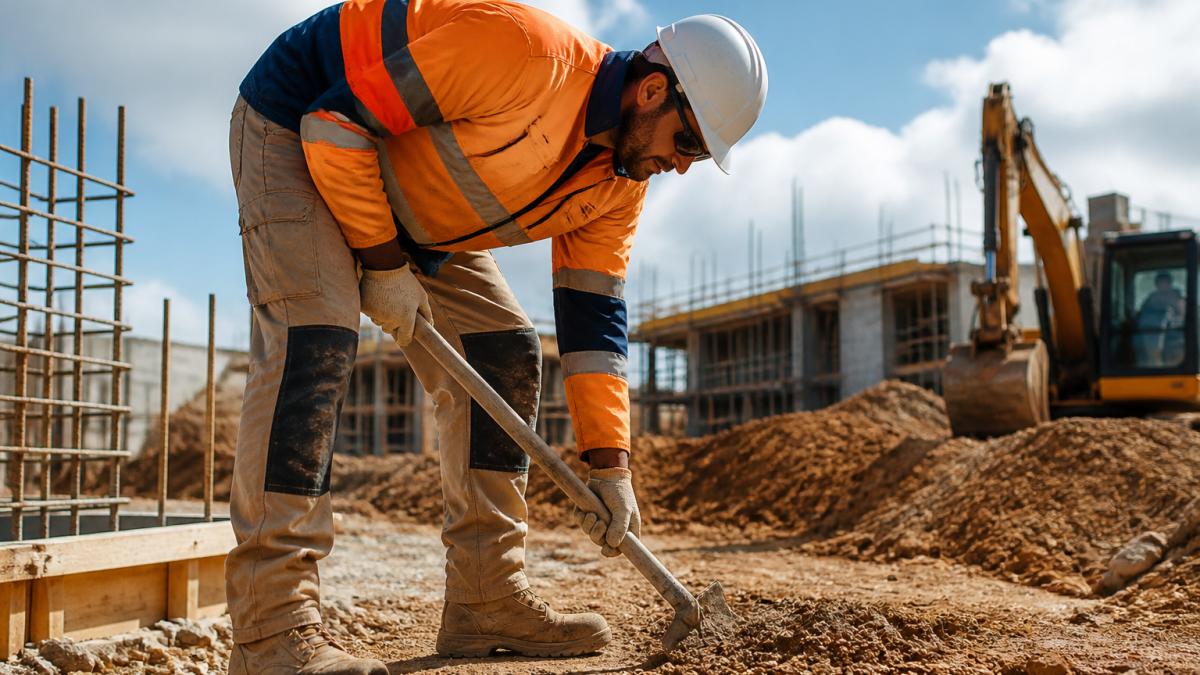
The difference between durable and disposable workwear comes down to specifics: how thick the leather is, how tight the stitching, how the sole is bonded to the upper, whether the toe cap is reinforced.
For operations managers, durability translates to predictable replacement cycles. If your team needs new boots every 18 months with quality gear, you can plan procurement, budget accurately, and maintain consistent team appearance and safety standards.
Durable construction workwear also reduces worker complaints. Boots that don't blister, jackets that don't chafe, and gear that doesn't fall apart mid-shift improve morale and reduce the friction of managing team equipment.
Conclusion: Investing in Sustainable Workwear Pays Off
The 7 best sustainable workwear brands for construction aren't a trend, they're a practical investment that reduces costs, improves safety, and meets the expectations of modern supply chains.
When you're ready to upgrade your team's workwear, Hi Vis Work Clothes offers durable leather boots built for construction sites, with custom printing and embroidery to maintain professional branding across your crew. Our range includes options from $165 to $196, each engineered with European Standard safety features and materials designed to last. Get a quote today and discover how quality workwear reduces replacement cycles and keeps your team protected on site.
Frequently Asked Questions
What should you look for in sustainable construction workwear?
Prioritise full-grain or top-layer leather uppers, which resist abrasion and last longer than synthetic alternatives. Check for reinforced seams, steel toe and midsole protection meeting European standards, and breathable mesh linings for comfort. Verify that the manufacturer provides transparency about material sourcing and worker conditions. Durable construction workwear reduces replacement cycles, lowering overall environmental impact and total cost of ownership for your team.
Can sustainable workwear meet Australian high-visibility requirements?
Yes. Sustainable workwear brands now produce high-visibility clothing that meets Australian Standards for reflective tape, visibility, and protective performance. Look for products with certified reflective tape that maintains visibility through multiple washes and maintains structural integrity in harsh conditions. Combining sustainable materials with proven safety features ensures your team meets compliance while reducing waste and environmental footprint.
How can construction teams make workwear last longer?
Choose boots and clothing with reinforced seams and quality leather uppers that resist wear. Store workwear in dry conditions and clean regularly according to manufacturer guidelines. Inspect for damage early and repair minor scuffs or loose stitching before they worsen. Select brands that offer repair services or replacement components. Rotating between multiple pairs of boots distributes wear and extends lifespan, ultimately reducing replacement frequency and cost per wear.
Is recycled fabric suitable for construction workwear?
Recycled fabrics can be suitable for construction workwear when engineered for durability and abrasion resistance. Recycled synthetic blends and recycled polyester are increasingly used in base layers and outer shells. However, for high-wear areas like toe caps and sole contact points, full-grain or top-layer leather and European-standard steel components provide superior durability. A hybrid approach combining recycled materials in lower-stress zones with premium materials in high-wear areas balances sustainability and performance.
Recent Blogs
October 09, 2026
7 Best Sustainable Workwear Brands for Construction
Explore 7 sustainable workwear brands built for construction. Compare durable...
October 09, 2026
7 Best Sustainable Workwear Brands for Construction
Explore 7 sustainable workwear brands built for construction. Compare durable...
October 09, 2026
7 Best Sustainable Workwear Brands for Construction
Explore 7 sustainable workwear brands built for construction. Compare durable...