
Layer Hi-Vis Clothing for Extreme Cold: A Guide


Table of Contents
- The Three-Layer System for Hi-Vis Cold Weather Work
- Base Layer: Moisture-Wicking and Thermal Regulation
- Mid-Layer: Insulation and Heat Retention
- Outer Shell: Water-Resistant and Windproof Protection
- AS/NZS 4602.1 Compliant Winter Workwear and Hi-Vis Standards
- How to Prevent Overheating While Layering
- PPE Compatibility and Managing Bulk in Layered Gear
- Practical Layering Strategy for Extreme Cold
- Frequently Asked Questions
Last Updated: September 27, 2026
The Three-Layer System for Hi-Vis Cold Weather Work
When temperatures drop, how you layer hi-vis clothing cold becomes the difference between staying safe and risking hypothermia. The three-layer system is your foundation: a moisture-wicking base, an insulating mid-layer, and a weather-resistant outer shell. Each layer serves a specific purpose, and when combined correctly, they keep you warm, dry, and visible on the job.

Why Layering Matters in Extreme Cold
Layering traps warm air between fabrics more effectively than a single thick jacket. Air pockets between layers provide insulation, and you can adjust as activity levels change without removing your hi-vis gear entirely. On job sites, layering lets you manage heat loss when you stop working without compromising visibility.
How Layering Prevents Hypothermia
Your body loses heat through radiation, convection, and evaporation, all accelerated by sweat moisture. The three-layer system addresses this: a moisture-wicking base layer pulls sweat away, the mid-layer traps insulating air, and the outer shell blocks wind and rain. Together, they maintain core body temperature where a single layer would fail.
Base Layer: Moisture-Wicking and Thermal Regulation
Your base layer sits against your skin and moves sweat away so it doesn't cool you down, essential even in extreme cold when activity generates moisture.
Best Thermal Base Layers for Construction Work
Look for fabrics that dry quickly and pull moisture outward. Merino wool and synthetic blends both work, but they perform differently in extreme conditions.
Merino wool regulates temperature naturally and resists odour even when wet. Synthetics like polyester and nylon dry faster and cost less.
The fit matters too. Base layers should be snug but not restrictive. Loose fabric traps cold air instead of moving moisture.
Synthetic Fibres versus Merino Wool
Synthetic base layers dry faster. Merino wool regulates temperature naturally. Choose based on your work pattern and budget.
Mid-Layer: Insulation and Heat Retention
The mid-layer creates an air pocket between your base layer and outer shell. Fleece, wool, or synthetic insulation all work. The goal is to trap air without adding bulk that restricts movement.

Fleece and Synthetic Insulation Options
Fleece and synthetic insulation both trap air effectively and dry quickly. For hi-vis workwear, choose high-visibility colours with integrated reflective strips to maintain visibility.
Outer Shell: Water-Resistant and Windproof Protection
Your outer shell stops wind and water while allowing sweat vapour to escape. A jacket that traps sweat inside defeats the layering system.
Waterproof Jackets with Breathability
Look for jackets with seam sealing and taped seams. Waterproof fabrics like 300D oxford polyester block rain while allowing moisture vapour to escape. The Jacket Waterproof Hood Reflective Tape from Hi Vis Work Clothes features fully seam-sealed construction with quilted lining, designed specifically for extreme cold workwear with integrated reflective tape and a zip-off hood for versatility.
Fit is critical. A jacket that's too tight restricts movement and traps sweat. Too loose, and cold air enters at the cuffs and collar. Look for adjustable cuffs and drawstring hems that seal without cutting off circulation.
AS/NZS 4602.1 Compliant Winter Workwear and Hi-Vis Standards
In Australia, hi-vis workwear must meet AS/NZS 4602.1 standards for visibility and reflective tape specifications. Winter layering doesn't exempt you from compliance.
Maintaining Reflective Tape Visibility Across Layers
Reflective tape must remain visible across all layers. Use hi-vis mid-layers that meet Class D/N standards independently. Maintain tape by washing gently with warm water and mild soap; avoid bleach and high heat, which degrade reflectivity.
Class D/N Requirements in Cold Conditions
Class D/N hi-vis gear requires a minimum of 0.20 square metres of reflective material. Ensure your base and mid-layers don't hide reflective tape on your outer shell. Fitted layers prevent oversized fabric from bunching and covering reflective strips.
How to Prevent Overheating While Layering
Layering for extreme cold risks overheating during high-activity work. Sweat accumulation defeats the system, so active temperature management is essential.
Micro-Climate Regulation for High-Activity versus Low-Activity Work
During heavy lifting or digging, remove your outer shell if conditions allow and keep it accessible for when you stop working. For low-activity work like monitoring, stay fully layered since your body generates less heat.
Many teams use removable mid-layers. A fleece vest under your outer shell lets you shed insulation without exposing yourself to wind and cold. The Jumper Half Zip Reflective Tape in Yellow provides this flexibility, allowing workers to adjust insulation as activity levels change while maintaining hi-vis compliance.
Jacket Waterproof Hood Reflective Tape →
Adjustable Cuffs and Ventilation Points
Look for jackets with underarm vents or pit zips to allow heat escape without removing the jacket. Adjustable cuffs and collars let you regulate neck opening. Fitted garments work best; loose fabric traps sweat instead of moving it away.
PPE Compatibility and Managing Bulk in Layered Gear
Construction and maintenance work often requires additional PPE: harnesses, tool belts, respirators, and hard hats. Layering adds bulk, which can interfere with fit, safety, and functionality. Unlike generic cold-weather guides, hi-vis layering must accommodate this reality without compromising either warmth or compliance.
Harness and Tool Belt Fit Under Layered Gear
A poorly fitted harness over multiple layers may slip or compress layers unevenly, creating cold spots. Measure harness fit over your base layer, then add your mid-layer and measure again. The increase should not exceed 25-30 mm in circumference. If it does, choose thinner insulation or a more compressible material like fleece.
When testing, wear the harness over your full layering system and perform actual work movements. Watch for strap slippage (layers too bulky or smooth), pressure points (uneven compression), and restricted movement (layers too thick). Adjust layer fit, choose lower-profile insulation, or reposition the harness as needed.
Some teams use a lighter harness for high-activity work and a full harness for stationary tasks, allowing aggressive layering when stationary and reduced bulk when mobile.
Tool Belt and Pocket Accessibility
Oversized base layers can block pocket access entirely. Wear your full layering system with your tool belt loaded to typical weight (8-12 kg) and test pocket access. If you cannot reach tools smoothly, your base layer is too loose. If your mid-layer rides up when bending, choose a shorter or more fitted style.
Hi-vis vests over your layering system provide insulation and visibility without full-jacket bulk, leaving tool-belt access unobstructed. This works well for moderate cold (above −5 °C) and high-activity work.
Respirator and Mask Seal Over Layers
Layering affects respirator seal. A thick base layer at the neck can push the mask away, breaking the seal. Test your respirator fit over your full layering system before site work. If the seal is compromised, adjust your base-layer fit or choose a respirator with a larger or more adjustable harness.
Many workers use a thin, fitted base layer under the respirator and add insulation above it (mid-layer and outer shell). This maintains the seal while providing warmth. Avoid high-necked base layers that interfere with respirator straps.
Hard Hat Compatibility and Strap Adjustment
Hard hats sit on your head and rest on your shoulders via a suspension system. Layering affects both contact points. A thick mid-layer can cause the hat to sit too high, reducing protection. Shoulder straps may dig in if layers compress unevenly.
Wear your hard hat over your full layering system.
Articulated Fit and Ergonomic Design for Movement
Choose layers with articulated construction, seams that follow your body's natural movement. Many modern hi-vis work shirts use pre-curved sleeves and tapered torsos to accommodate layering without bunching. This design prevents layers from shifting under harnesses and maintains mobility.
Practical Layering Strategy for Extreme Cold
Building an effective layering system requires matching fabrics to your specific work environment and activity level.
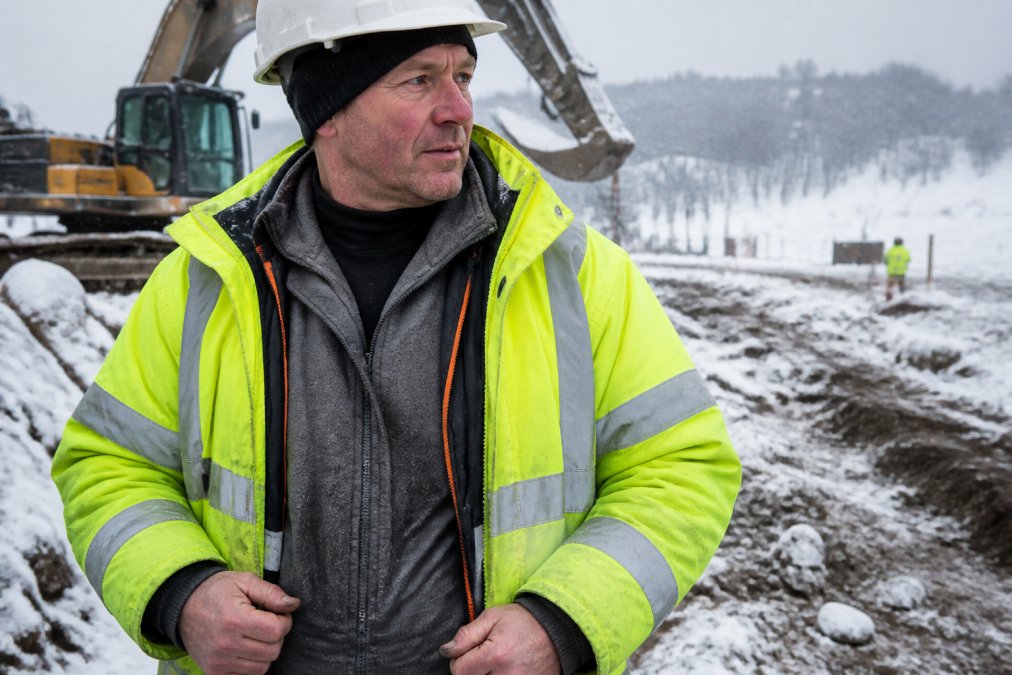
Choosing the Right Fabrics for Your Work Environment
Start with your activity level. High-activity work (digging, building) needs moisture-wicking fabrics that dry quickly. Low-activity work (inspection, monitoring) benefits from merino wool's temperature regulation.
Maintenance and Care for Hi-Vis Reflectivity
Wash hi-vis gear separately from other clothing. Reflective tape can snag on zips and seams from other garments. Use cold water and mild detergent. Hot water degrades synthetic fabrics and reflective coatings.
| Layer Type | Primary Fabric | Key Benefit | Best For |
|---|---|---|---|
| Base | Synthetic or merino wool | Moisture-wicking | All extreme cold work |
| Mid | Fleece or synthetic insulation | Air trapping | Stationary and moderate activity |
| Outer | Waterproof polyester | Wind and water blocking | All outdoor cold conditions |
Frequently Asked Questions
What is the best way to layer hi-vis clothing for extreme cold?
Use the three-layer system: start with a moisture-wicking synthetic or merino wool base layer, add an insulating mid-layer such as fleece, then wear a waterproof, windproof outer shell. Ensure your hi-vis reflective tape remains visible on the outer layer and that all garments allow for vapour transmission to prevent moisture buildup. This approach maintains thermal regulation whilst keeping you visible on site.
How do I choose the best thermal base layers for construction work?
Look for synthetic fibres or merino wool that actively wick moisture away from your skin. Synthetic options dry faster and cost less; merino wool regulates temperature better and resists odour. For construction, synthetic base layers often suit high-activity work better because they prevent sweat accumulation. Check that the fabric has breathable mesh at pressure points like armpits and the collar for enhanced comfort during demanding tasks.
How can I prevent overheating while wearing multiple layers?
Choose layers with adjustable cuffs, zips, and ventilation points so you can regulate temperature as your activity level changes. High-activity work generates more heat; wear thinner mid-layers and ensure your outer shell has breathability. For low-activity tasks, add thicker insulation. Remove or unzip layers as soon as you feel warm to avoid sweat accumulation, which leads to rapid heat loss when you stop moving.
Will multiple layers affect my hi-vis compliance and visibility?
No, as long as your outer layer meets AS/NZS 4602.1 standards with adequate reflective tape width and placement. Class D/N hi-vis jackets like the Jacket Waterproof Hood Reflective Tape maintain full compliance in cold conditions. The reflective tape must remain visible and unobstructed on your outer shell; inner layers do not need to be hi-vis. Ensure seams and zips do not cover reflective areas, and check tape regularly for wear or peeling.
Recent Blogs
September 28, 2026
Layer Hi-Vis Clothing for Extreme Cold: A Guide
Layer hi-vis clothing cold: Learn how to layer hi-vis clothing...
September 28, 2026
Layer Hi-Vis Clothing for Extreme Cold: A Guide
Layer hi-vis clothing cold: Learn how to layer hi-vis clothing...
September 28, 2026
Layer Hi-Vis Clothing for Extreme Cold: A Guide
Layer hi-vis clothing cold: Learn how to layer hi-vis clothing...