
How to Stop Hi Vis Reflective Tape Peeling


Table of Contents
- Why Reflective Tape Peels Off Work Shirts
- Signs of Reflective Tape Degradation
- How to Wash Reflective Work Clothes Correctly
- Step-by-Step Guide to Prevent Reflective Tape Peeling
- Repairing Peeling Tape: Re-Application vs. Replacement
- AS/NZS 4602.1 Compliance for Workwear Maintenance
- Choosing Durable Garments That Resist Peeling
- Conclusion: Extend the Life of Your Hi Vis Gear
- Frequently Asked Questions
Last Updated: September 6, 2026
Reflective tape peeling is one of the most common reasons high-visibility workwear gets replaced long before its useful life is over. The retroreflective strips on a hi vis shirt are engineered to survive demanding conditions, but they fail quickly when exposed to the wrong care routines. Most peeling is not a manufacturing fault; it is the result of heat damage, chemical residue, and mechanical stress that breaks down the adhesive bond between the tape and the fabric substrate.

This guide explains why reflective tape peeling happens, how to wash reflective work clothes correctly, and when a garment can be repaired rather than replaced. We will also cover what AS/NZS 4602.1 compliance for workwear actually requires, so your team stays both safe and audit-ready.
Why Reflective Tape Peels Off Work Shirts
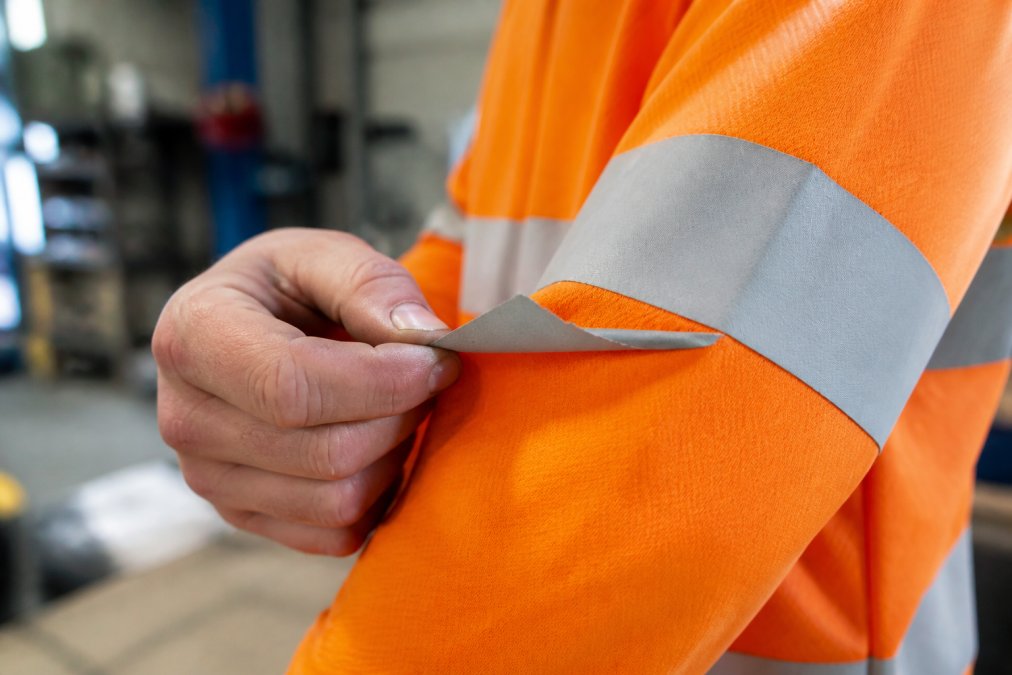
Reflective tape peeling is a failure of the adhesive layer that bonds the retroreflective material to the garment fabric. The tape itself rarely degrades first; instead, the bond weakens and the strip lifts, cracks, or curls away from the shirt. Once that happens, the garment loses its conspicuity and may no longer meet visibility standards for the job site.

Heat Damage and Tumble Dryer Impact
High heat is the single fastest way to destroy the adhesive on reflective tape (the CDC). Tumble dryer heat softens the glue, allowing the tape to shift and wrinkle, then re-set in a distorted position. The repeated flexing of a wrinkled strip creates stress points where the tape eventually lifts.
Industrial laundry cycles and hot ironing cause similar damage. If you press directly over the reflective strip, the heat can melt the microprismatic surface and permanently reduce its ability to reflect light. Garment-grade reflective tape is durable, but it is not heatproof.
Chemical and Detergent Residue Build-Up
Detergent residue is a quieter culprit. When washing powder does not fully dissolve or rinse away, it leaves a film on the fabric and along the edges of the tape. That residue attracts dirt and gradually breaks down the adhesive from the outside in.
Fabric softeners are particularly damaging (peer-reviewed research). They coat the fibres and the tape surface with a waxy layer that interferes with the thermal bonding between tape and fabric. Bleach and harsh industrial chemicals can also degrade both the retroreflective material and the adhesive holding it in place.
Signs of Reflective Tape Degradation
Catching degradation early is the difference between a simple repair and a full replacement. Inspect your hi vis garments regularly, ideally before each wash cycle, and look for these warning signs:
- Lifting edges: The corners or edges of the tape no longer sit flush against the fabric
- Cracking: Fine lines or splits appear across the surface of the retroreflective strip
- Peeling: Sections of tape pull away from the shirt, often curling at the ends
- Fading or dulling: The tape no longer appears bright when light hits it, indicating UV exposure or chemical damage
Any of these signs means the garment's visibility is compromised. A shirt with peeling tape is not just an aesthetic problem; it is a safety compliance issue that could put a worker at risk in low-light conditions.
How to Wash Reflective Work Clothes Correctly
The correct washing routine is straightforward once you understand what damages the adhesive. Wash hi vis garments inside out, which protects the reflective strips from direct friction against other clothing and the drum of the machine.
Use a liquid detergent rather than powder, as powder can clump and leave residue. Avoid fabric softeners entirely; they coat the tape and reduce its reflectivity. Wash in warm water, not hot, and skip the pre-soak cycle if your machine has one, as prolonged immersion weakens the adhesive bond.
| Care Step | Correct Method | Common Mistake |
|---|---|---|
| Washing | Inside out, warm water, liquid detergent | Hot water, powder detergent, fabric softener |
| Drying | Line dry flat, away from direct sun | Tumble dryer heat or direct UV exposure |
| Ironing | Low heat, never over the tape | High heat or pressing directly on reflective strips |
| Storage | Fold flat in a dry, dark cupboard | Hanging in direct sunlight or near heat sources |
Step-by-Step Guide to Prevent Reflective Tape Peeling
Prevention comes down to consistent, careful handling. Follow these steps to extend the life of your hi vis gear and keep the retroreflective tape firmly bonded.
Step 1: Inspect Before Washing
Check every garment before it goes into the wash. Run your fingers along the edges of the tape and look for lifting, cracking, or peeling. If you find damage, set the shirt aside for repair rather than washing it, as the agitation of the machine will make the problem worse.
Step 2: Pre-Treat Stains Without Damaging Tape
For oil, grease, or paint stains, treat the affected area with a small amount of liquid detergent applied directly. Gently work it in with a soft brush or your fingers, avoiding the reflective tape wherever possible. Rinse thoroughly before washing. Do not use solvent-based stain removers near the tape, as chemicals can dissolve the adhesive and cause reflective tape peeling.
Step 3: Dry Flat and Store Away From UV
After washing, hang the garment to dry in a shaded, well-ventilated area. Direct sunlight accelerates UV degradation of both the fabric and the retroreflective material. Once dry, fold the shirt and store it in a dry cupboard. Avoid leaving hi vis gear hanging in a car window or near a heat source, as prolonged UV exposure and heat will weaken the tape bond over time.
Repairing Peeling Tape: Re-Application vs. Replacement
When tape has started to peel, you have two options: re-apply the tape or replace the garment. The right choice depends on how extensive the damage is.
For minor lifting along the edges, re-application can work. Clean the area thoroughly with a mild detergent and let it dry completely. Apply a garment-grade adhesive designed for reflective tape, press the strip firmly back into place, and allow the recommended curing time before wearing or washing. The key is application pressure: the tape needs firm, even pressure across its full width to create a strong bond.
For widespread peeling, cracking, or sections where the retroreflective material has lifted completely, replacement is the safer option. A garment with multiple failing strips will not provide reliable conspicuity, and patching it together compromises its integrity. When replacement is needed, choose garments with quality reflective tape from the start, such as the work shirts with reflective tape options available through Hi Vis Work Clothes, which use durable 5cm tape designed for demanding conditions.
AS/NZS 4602.1 Compliance for Workwear Maintenance
AS/NZS 4602.1 is the Australian standard for high visibility safety garments. It specifies requirements for the design, performance, and labelling of hi vis clothing intended to signal the wearer's presence in hazardous situations. The standard sets out minimum areas of retroreflective material and fluorescent background fabric.
What many teams overlook is that the standard applies to the garment in service, not just at the point of sale. A shirt that meets AS/NZS 4602.1 when new may no longer comply once the reflective tape has peeled or degraded. The current AS/NZS 4602.1 requirements for high visibility garments state that the retroreflective material must remain effective for the life of the garment.
This means regular inspection is not optional. Safety officers should incorporate a tape integrity check into their routine PPE audits. If a garment shows signs of reflective tape degradation, it should be withdrawn from service until repaired or replaced. Wearing a damaged hi vis shirt on site could expose both the worker and the employer to liability under workplace health and safety obligations.
Choosing Durable Garments That Resist Peeling
Not all reflective tape is created equal, and the quality of the base garment matters as much as the tape itself. Look for shirts with a balanced cotton-polyester blend, which offers both comfort and durability. The tape should be applied using thermal bonding or a similar industrial process that creates a strong, lasting adhesive connection.
Garment construction also plays a role. Reinforced seams and quality stitching help the garment hold its shape through repeated washing, which reduces stress on the tape. Hi Vis Work Clothes offers a range of high visibility work shirts with reflective tape built with these considerations in mind, using 5cm reflective tape on breathable cotton-polyester fabric.
Consider the work environment when selecting garments. A waterproof jacket with reflective tape, for example, needs different care than a standard work shirt. The all-weather jacket options with reflective tape from Hi Vis Work Clothes are designed for outdoor crews who face rain, wind, and temperature swings, and they require the same careful washing routine to protect the tape.
Conclusion: Extend the Life of Your Hi Vis Gear
Reflective tape peeling is preventable with the right care routine. Wash inside out in warm water, skip the fabric softener and tumble dryer, dry flat away from direct sun, and inspect garments regularly for early signs of degradation. When tape does fail, assess whether a repair is viable or whether replacement is the safer choice for compliance.
Hi Vis Work Clothes supplies durable, high-visibility apparel built to handle demanding work environments, with reflective tape options across shirts, pants, and all-weather jackets. Our garments are suitable for work, construction, teams, and group requirements, and we offer custom printing and embroidery with your logo and branding. Get a quote today and equip your team with hi vis gear that stays compliant and visible for longer.
Frequently Asked Questions
Can you repair peeling reflective tape on clothing?
Yes, small sections of peeling tape can be repaired using heat-activated adhesive or iron-on reflective repair tape. Clean the area thoroughly with isopropyl alcohol, allow it to dry completely, then apply the new tape and press with medium heat for 15-20 seconds. For larger areas or tape that has cracked extensively, replacement is safer. Damaged retroreflective material compromises your visibility and may fail AS/NZS 4602.1 compliance checks, so when in doubt, replace the garment.
Does heat drying damage reflective tape on workwear?
Yes, tumble dryer heat is one of the leading causes of reflective tape peeling. Most thermal bonding adhesives used on garment-grade reflective tape soften above 60°C. Tumble dryers typically run between 60-80°C, which degrades the adhesive bond and causes the tape edges to lift. Line drying in the shade is the safest option. If you must use a dryer, select the lowest heat setting and remove garments while still slightly damp.
How do I know if my reflective tape is still compliant with safety standards?
Check for visible signs of degradation: peeling edges, cracking, lifting, or areas where the retroreflective material has worn through. Fold the garment and bend the tape area sharply; if the tape cracks or separates from the fabric, it has lost adhesion. Under AS/NZS 4602.1, reflective material must maintain minimum retroreflective performance. If tape shows any lifting or cracking, the garment no longer meets the standard and should be replaced before use on site.
What is the lifespan of reflective tape on hi vis clothing?
With correct care, garment-grade reflective tape typically lasts 25-50 industrial laundry cycles. The main factors reducing lifespan are high heat, harsh chemicals, and mechanical stress from industrial washing. Garments washed in cold water with mild detergent and line dried can reach the higher end of that range. Regular inspection every 3-6 months helps catch early signs of adhesive degradation before the tape starts peeling, letting you replace garments before they become non-compliant.
Recent Blogs
September 06, 2026
How to Stop Hi Vis Reflective Tape Peeling
Learn how to stop reflective tape peeling on hi vis...
September 06, 2026
How to Stop Hi Vis Reflective Tape Peeling
Learn how to stop reflective tape peeling on hi vis...
September 06, 2026
How to Stop Hi Vis Reflective Tape Peeling
Learn how to stop reflective tape peeling on hi vis...