
How to Reduce Workwear Replacement Costs


Table of Contents
- Why Workwear Replacement Costs Spiral Out of Control
- Calculate Total Cost of Ownership, Not Just Unit Price
- Workwear Laundry Best Practices to Extend Garment Life
- PPE Replacement Schedule: When to Repair vs. Replace
- Workwear Inventory Management to Reduce Waste
- Choose Durable Workwear Brands Australia Trusts
- Fit, Consistency, and Supply Chain Reliability Matter
- Conclusion
Last Updated: August 10, 2026
Why Workwear Replacement Costs Spiral Out of Control
Most organisations discover the real cost of workwear only after they've already spent the money. They buy cheap gear, it wears out faster than expected, and suddenly they're ordering replacements every few months instead of annually. The cycle repeats. Before long, they've spent three times what they would have on quality pieces that actually last.
The problem isn't that cheap workwear exists. It's that operations managers rarely calculate the true cost of replacing it constantly. When you factor in procurement time, inventory management, downtime when crews lack proper gear, and the compounding effect of frequent orders, the math changes entirely. This is where understanding how to reduce workwear replacement costs becomes essential to your bottom line.
At Hi Vis Work Clothes, we've worked with Australian construction and logistics teams who thought they were saving money by buying the cheapest option available. What they found was that their actual cost per wear, when you account for garment lifecycle and replacement frequency, was significantly higher than investing in durable gear upfront.
The real issue is that most businesses approach workwear like a consumable rather than an asset. They don't track how long each piece lasts, how many times it's actually worn before it fails, or what the hidden costs of frequent replacement really are. Once you start measuring these factors, the case for durability becomes obvious.
Calculate Total Cost of Ownership, Not Just Unit Price
The biggest mistake in workwear procurement is comparing only the initial purchase price. A shirt that costs 40% less but falls apart after 20 washes isn't a bargain, it's expensive.
Total cost of ownership means calculating every expense associated with a garment over its entire lifespan. This includes the purchase price, laundry costs, repair or replacement costs, and the operational impact when gear fails unexpectedly on site.
Here's how the math typically works. A cheap work shirt might cost half the price of a quality alternative, but if it needs replacing twice as often, you've already spent more money. Add in the labour time spent ordering replacements, managing inventory gaps, and training new team members on sizing and fit, and the cost difference becomes substantial.
Consider this practical example: if your team of 20 workers each needs five shirts, and cheap shirts last 12 months while quality shirts last 36 months, you're buying replacements three times more frequently with the budget option. Multiply that by procurement overhead, and you're looking at a significant operational burden beyond the raw material cost.
The best approach is to create a simple spreadsheet that tracks:
- Initial purchase price per garment
- Expected lifespan (measured in washes or months of use)
- Estimated laundry costs per garment per year
- Replacement frequency
- Labour time spent managing orders and inventory
Once you have these numbers, divide total cost by expected lifespan in months or wears. That's your true cost per use. Most teams find that mid-range to premium workwear actually costs less per wear than the cheapest option available.
Hi Vis Work Clothes offers durable combo packages like the Combo Mens Work Pants and Shirt Reflective Tape in Orange at $79.00, designed to withstand extended use across demanding work environments. When you factor in durability over a 24-36 month lifespan, the cost per wear becomes highly competitive.

Workwear Laundry Best Practices to Extend Garment Life
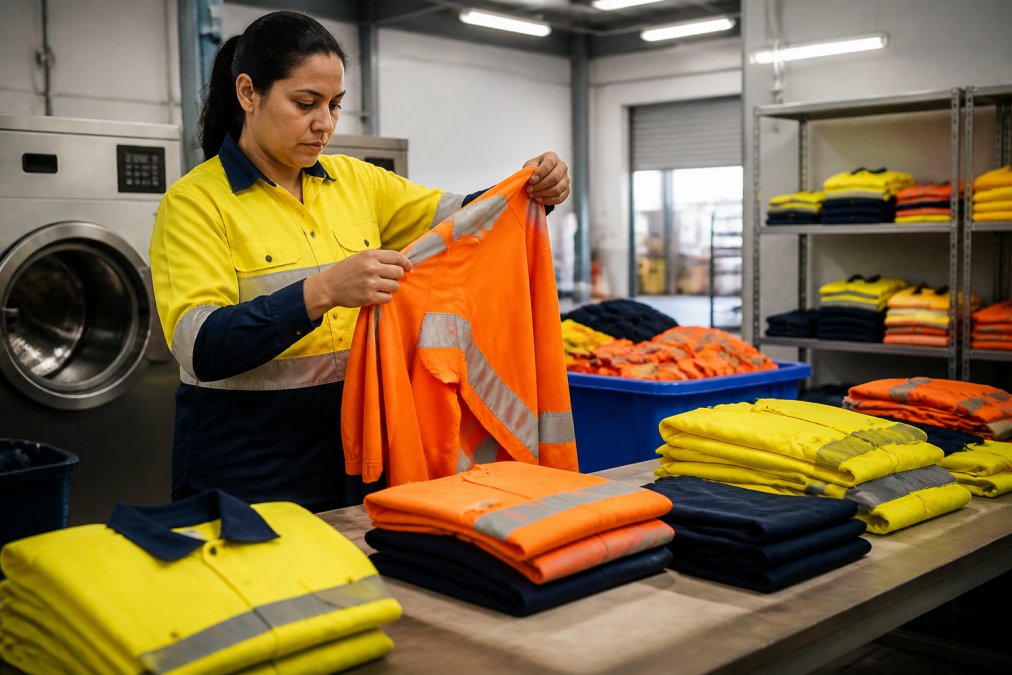
How you wash and store workwear directly determines how long it lasts. Poor laundry practices can cut garment lifespan in half, while proper protocols can extend it significantly.
Washing temperature and frequency
Most workwear fails prematurely because it's washed too hot or too frequently. High temperatures damage synthetic fibres, weaken reflective tape adhesion, and cause colours to fade. Yet many facilities default to hot water because they assume it cleans better.
The reality is different. Warm water (40-50°C) cleans workwear effectively while preserving fabric integrity. Cold water works for lightly soiled items. Hot water should be reserved only for heavily contaminated gear, and even then, used sparingly.
Washing frequency matters equally. Daily washing isn't necessary for most workwear unless it's visibly soiled or exposed to hazardous materials. Many teams find that washing every 2-3 wears extends garment life without compromising hygiene or safety. This reduces stress on fabrics and reflective elements with each wash cycle.
Use mild detergent specifically formulated for technical textiles when possible. Heavy-duty detergents contain chemicals that break down synthetic fibres and can degrade reflective tape over time. Avoid bleach entirely, it weakens fabric and strips reflective coatings.
Drying and storage protocols
Air drying is always preferable to machine drying for workwear. High heat from tumble dryers shrinks fabrics, damages reflective tape, and weakens elastic components. Where air drying isn't practical, use low-heat settings and remove items while still slightly damp.
Storage conditions matter more than most people realise. Workwear should be stored in a cool, dry location away from direct sunlight. UV exposure fades colours and degrades reflective tape even when the garment isn't being worn. Humidity promotes mildew growth and fabric deterioration.
Fold or hang items properly, don't bunch them into tight spaces where creases can weaken fabric. For high-visibility gear, ensure reflective tape isn't folded or creased repeatedly in the same spot, as this can cause adhesion failure.
Implement a simple rotation system so each piece of workwear isn't worn consecutively. Fabrics recover their shape and resilience when given rest days between wears. This single practice can extend garment lifespan by 20-30%.
PPE Replacement Schedule: When to Repair vs. Replace
Knowing when to repair a garment versus replacing it entirely is where many teams waste money. Some replace items that could be repaired; others keep failing gear in rotation too long.
A practical replacement schedule depends on how heavily each garment is used. For daily-wear items in construction or logistics, expect:
- Work shirts and trousers: 24-36 months with proper care
- Jackets and outerwear: 36-48 months
- Reflective tape and trim: inspect every 12 months, replace when adhesion weakens or tape separates
The decision to repair versus replace should be based on cost and safety. If a repair costs more than 40-50% of a replacement, replacement makes economic sense. However, if reflective tape is failing or seams are separating at stress points, replacement is the only safe option, repairs won't restore full protective capability.
Create a simple inspection protocol. Before each wash, check for:
- Reflective tape adhesion (press firmly; if it lifts, replacement is due)
- Seam integrity at shoulders, underarms, and crotch
- Fabric tears or worn patches
- Colour fading that affects visibility
Document findings in a basic spreadsheet. This creates a data trail showing which garments fail prematurely, helping you identify quality issues with specific brands or suppliers.
Workwear Inventory Management to Reduce Waste
Excess inventory ties up capital and increases the chance that gear becomes outdated or damaged in storage. Insufficient inventory creates operational gaps when you need emergency replacements.
The goal is right-sizing: having enough stock to cover unexpected failures without warehousing surplus gear.
Start by calculating actual consumption. Track how many garments each team member receives annually, how often replacements are needed, and which sizes are most commonly used. This data prevents over-ordering of unpopular sizes while ensuring you stock enough of high-demand items.
Implement a simple first-in-first-out (FIFO) system. Older stock gets distributed first, preventing situations where new gear is issued while older items sit unused. This also catches quality issues early, if a batch from 18 months ago is still in circulation, something's wrong with durability.
Consider centralised ordering for multi-site operations. Consolidating purchases across teams increases order volume, often qualifying for better pricing, while reducing the administrative burden of managing separate orders across locations.
Digital inventory tracking doesn't require expensive software. A shared spreadsheet tracking item received, size, wearer name, and date issued provides visibility into consumption patterns and helps forecast future needs.
Choose Durable Workwear Brands Australia Trusts
Quality and durability vary significantly across brands. The difference often comes down to fabric composition, construction methods, and how rigorously the brand tests its products for real-world use.
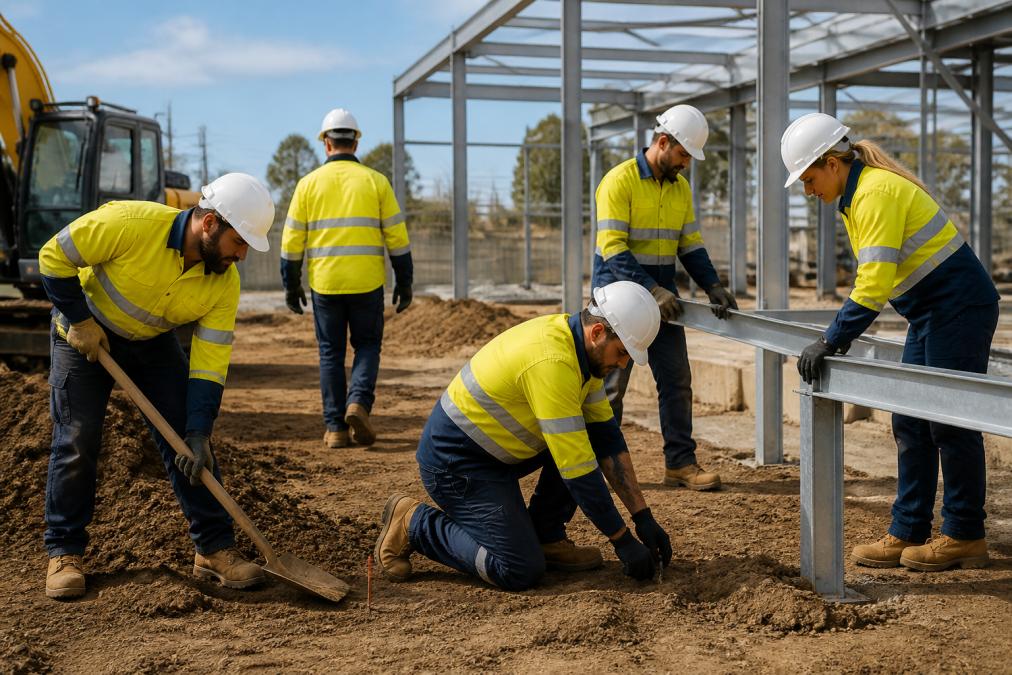
Look for brands that publish specific fabric specifications rather than vague claims. Terms like "industrial-grade polyester" or "reinforced seams" should be backed by actual percentages and construction details. Brands that test their gear in real working conditions and publish durability metrics are more trustworthy than those making generic durability claims.
Australian-focused brands often understand local climate demands better than international suppliers. High heat, intense UV exposure, and humidity require specific fabric treatments and construction approaches. Brands operating in the Australian market typically design with these conditions in mind.
Hi Vis Work Clothes specialises in durable apparel designed for Australian conditions. The Jacket Waterproof Hood Reflective Tape in All Weather at $95.00 uses 100% 300D oxford polyester with quilted lining, addressing both protection and comfort across varying weather. The Work Pants Long Womans Double Tape in Navy at $49.95 combines 60% cotton with 40% polyester for durability and breathability.


Ask potential suppliers about their testing protocols. Do they test reflective tape adhesion after repeated washing? Do they measure seam strength? Do they simulate real-world wear conditions? Brands that can answer these questions confidently are investing in actual durability.
Check return and warranty policies. Brands confident in their durability typically stand behind their products with reasonable warranties or return policies. If a brand offers no recourse for premature failure, that's a signal about their confidence in quality.
Fit, Consistency, and Supply Chain Reliability Matter
Workwear that doesn't fit properly fails faster and gets replaced more frequently. Poor fit causes excessive stress on seams at pressure points, accelerates wear in high-friction areas, and reduces worker compliance, people won't wear gear that's uncomfortable.
Consistency in sizing across orders prevents waste. If one batch of shirts runs small and another runs large, you'll end up with unworn inventory while workers request replacements because nothing fits properly. Reliable suppliers maintain consistent sizing standards across production runs.
Supply chain reliability directly impacts your replacement costs. If a supplier frequently misses delivery dates or produces inconsistent quality, you'll spend extra time managing emergency orders and dealing with inventory gaps. This hidden cost often exceeds any savings from cheaper unit pricing.
When evaluating suppliers, ask about their production consistency. How do they manage quality across multiple manufacturing runs? What's their typical lead time for standard orders versus custom orders? Do they have backup suppliers if primary production facilities experience disruptions?
For teams requiring custom branding, supplier reliability becomes even more critical. A delayed order with your logo means crews show up without proper gear, creating both safety and professional image issues. Hi Vis Work Clothes offers custom printing and embroidery services alongside their standard product range, ensuring branded gear arrives on schedule and meets durability standards.
| Factor | Impact on Replacement Costs | What to Measure |
|---|---|---|
| Fabric quality | Extends lifespan 24-36 months | Tensile strength, tear resistance |
| Seam construction | Prevents premature failure at stress points | Seam thickness, thread quality |
| Reflective tape | Maintains visibility and safety compliance | Adhesion after 20+ washes |
| Sizing consistency | Reduces unworn inventory and fit complaints | Variance across production batches |
| Supply reliability | Prevents emergency orders and downtime | On-time delivery rate |
Reducing workwear replacement costs isn't about buying the cheapest option, it's about understanding the true cost of ownership and investing in durability. When you calculate total cost per wear, factor in laundry practices that extend garment life, maintain a right-sized inventory, and choose suppliers with proven reliability, the economics of quality workwear become undeniable.
Most teams find that shifting from frequent cheap replacements to less-frequent quality purchases saves 30-40% annually while improving worker safety and professional appearance. Start by tracking your current replacement frequency and costs. Once you have baseline data, the case for durable workwear becomes clear.
Get a quote from Hi Vis Work Clothes today to see how durable, professionally branded workwear can reduce your replacement costs while keeping your team safe and looking professional on site.
Frequently Asked Questions
How do I calculate the true cost of workwear replacement?
Total cost of ownership includes the initial purchase price, laundry and maintenance costs, downtime when workers lack clean gear, and replacement frequency. For example, cheap workwear lasting 6 months costs more over 3 years than durable gear lasting 18-24 months, even at a higher unit price. Track actual replacement cycles and maintenance spend for your team to compare options accurately.
What's the best way to care for high-visibility workwear to extend its life?
Wash in cold water (30°C or below) to preserve reflective tape and fabric integrity. Turn garments inside out, avoid bleach, and air-dry away from direct heat. Store in a cool, dry place away from sunlight, which fades reflective material. Inspect seams and tape regularly for wear, and repair small damage immediately. Proper workwear laundry best practices can extend garment lifespan by 6-12 months.
How often should PPE and workwear be replaced?
A PPE replacement schedule depends on wear conditions and maintenance. High-visibility clothing in heavy-use environments typically lasts 12-24 months with proper care. Inspect monthly for reflective tape peeling, fabric tears, or seam damage. Replace immediately if reflective material fails, visibility is non-negotiable for safety. Track replacement dates by worker and role to identify patterns and budget accurately.
Can managed laundry services really save money on workwear costs?
Yes. Managed rental and laundry services handle washing, repairs, and replacements, shifting costs from capital to operational expense. This reduces internal laundry labour, extends garment life through professional care, and ensures consistent inventory. For teams with 20+ workers, the per-garment cost often matches or beats purchasing and in-house laundering, while freeing time for core work.
This article was written using GrandRanker
Recent Blogs
August 10, 2026
How to Reduce Workwear Replacement Costs
Reduce workwear replacement costs: Cut workwear spending by calculating cost-in-use,...
August 10, 2026
How to Reduce Workwear Replacement Costs
Reduce workwear replacement costs: Cut workwear spending by calculating cost-in-use,...
August 10, 2026
How to Reduce Workwear Replacement Costs
Reduce workwear replacement costs: Cut workwear spending by calculating cost-in-use,...