
7 Best Breathable Work Pants for Outdoor Trade Work


Table of Contents
- What Makes Breathable Work Pants Essential for Trade Work
- Key Features of Breathable Work Pants
- Moisture-Wicking Work Trousers That Keep You Cool
- AS/NZS 4602.1 Compliant Workwear for Safety and Visibility
- Top Breathable Work Pants for Outdoor Trade
- How to Choose the Right Breathable Work Pants for Your Trade
- Layering Strategies for Extreme Heat Conditions
- Maintaining Durability in Lightweight Work Trousers
Last Updated: August 22, 2026
What Makes Breathable Work Pants Essential for Trade Work
Working outdoors in heat exposes your body to genuine physical stress. When temperatures climb, your core body temperature rises faster than your cooling systems can handle (the CDC). This is where breathable work pants become non-negotiable rather than optional.
Breathable work pants manage moisture and heat in ways standard workwear cannot. The fabric composition, ventilation design, and moisture-wicking technology work together to keep you cooler and more comfortable during long shifts. For outdoor trade workers, this means better performance, fewer heat-related complaints, and longer productive hours on site.
At Hi Vis Work Clothes, we understand that choosing the right work pants involves more than just picking a colour and size. The fabric blend, reflective tape placement, and construction method all affect how well the pants perform under real job conditions. This guide breaks down what actually matters when selecting breathable work pants for outdoor trade environments.

Key Features of Breathable Work Pants
The difference between ordinary work trousers and genuinely breathable ones comes down to a few specific features working in concert.
Moisture-wicking technology and sweat management
Moisture-wicking fabrics pull sweat away from your skin and move it to the outer layer where it can evaporate. This process keeps you drier and cooler than traditional cotton-only trousers, which absorb sweat and hold it against your body.
Synthetic blends perform better at moisture-wicking than pure cotton. A 40% polyester and 60% cotton blend, like the composition used in Hi Vis Work Clothes trousers, balances breathability with durability. The polyester component actively wicks moisture while the cotton provides comfort and abrasion resistance.
The real benefit shows up during peak heat stress. When your body is working hard and producing sweat continuously, moisture-wicking technology prevents that heavy, clammy feeling that slows you down and increases fatigue.
Fabric composition and airflow design
Breathability depends on how tightly the fabric is woven and whether ventilation zones are built in. Looser weaves allow more air circulation, but they sacrifice durability. The best work pants use strategic ventilation, mesh panels in high-heat areas (like the crotch gusset and underarms) combined with standard weave elsewhere.

Ripstop fabric adds another layer of protection. The reinforced grid pattern prevents small tears from spreading, which matters on job sites where sharp edges and rough surfaces are constant hazards. Ripstop doesn't compromise breathability; it simply adds durability without weight.
Four-way stretch fabrics improve mobility without adding bulk. When you're bending, crouching, and reaching throughout the day, pants that move with you reduce fatigue and prevent restriction that forces you to work harder.
Moisture-Wicking Work Trousers That Keep You Cool
Moisture-wicking work trousers have become standard for outdoor trade work because they solve a real problem: traditional workwear gets heavier and more uncomfortable as you sweat.
The mechanism is straightforward. Polyester fibres in the fabric pull moisture away from your skin faster than cotton fibres can absorb it. This creates a dry microclimate against your body, which your skin interprets as cooler even when the ambient temperature hasn't changed.
Real-world performance matters more than theory. Workers report noticeably less chafing, fewer heat-related complaints, and better focus during long shifts when wearing moisture-wicking trousers. The difference becomes most obvious during peak heat hours, typically mid-morning through mid-afternoon on summer job sites.
When selecting moisture-wicking work trousers, look for polyester content between 30-50%. Below that range, the wicking effect diminishes. Above 50%, you lose too much of cotton's comfort and durability. The sweet spot delivers both performance and longevity.
AS/NZS 4602.1 Compliant Workwear for Safety and Visibility
High-visibility workwear in Australia must meet AS/NZS 4602.1 standards (standards.org.au). This standard defines reflective tape width, placement, brightness, and durability requirements. Compliance isn't optional on regulated job sites, it's a legal requirement.
The standard specifies minimum reflective tape widths and coverage areas. Work pants typically feature reflective tape on the legs and sometimes across the back. The tape must be bright enough to be visible in low-light conditions when struck by vehicle headlights or work lights.

Reflective tape durability matters as much as initial brightness. Compliant workwear uses tape that maintains visibility through repeated laundering and exposure to sweat, sunscreen, and site conditions.
Hi Vis Work Clothes offers work pants with double reflective tape options, providing enhanced visibility for high-risk environments. The double-tape design exceeds minimum compliance and offers extra safety margin in busy work zones.
Top Breathable Work Pants for Outdoor Trade
Cotton-polyester blend options for durability and comfort
The 40% polyester and 60% cotton blend represents the industry standard for outdoor trade work. This ratio delivers moisture-wicking performance without sacrificing the durability and comfort that pure cotton provides.
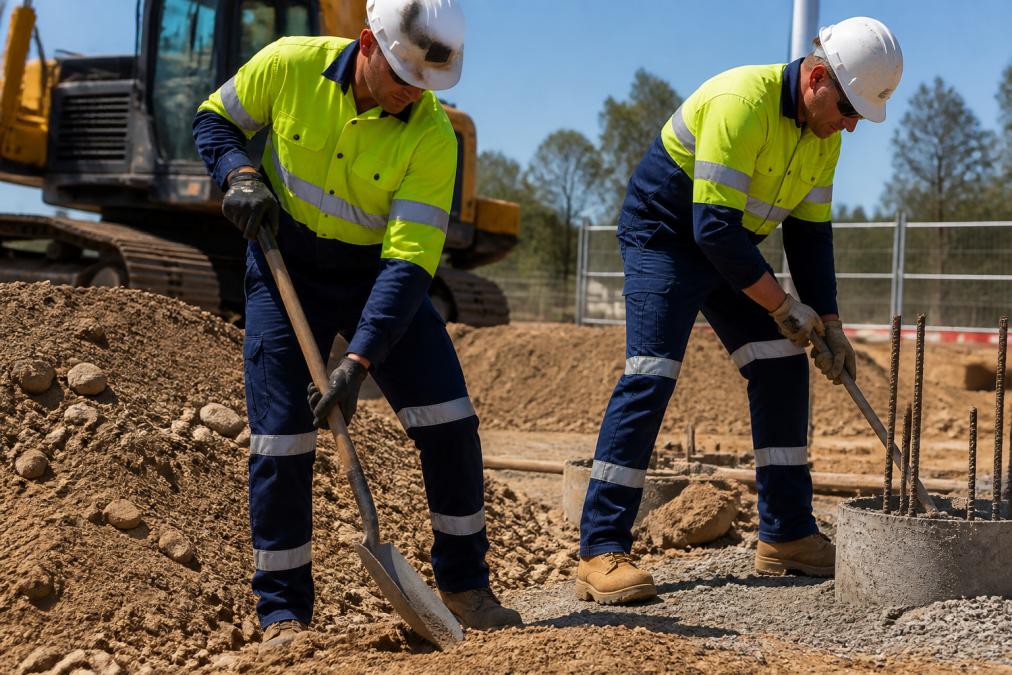
Hi Vis Work Clothes Work Pants Long Mens Double Tape Navy combine this proven blend with practical features. At $49.95, they offer double reflective tape for enhanced visibility, two leg pockets for tools and essentials, and a fabric composition designed for all-day wear in hot conditions. The navy colour hides dirt and stains better than lighter shades, which matters on active job sites.
| Feature | Benefit | Best For |
|---|---|---|
| 40% polyester / 60% cotton blend | Moisture-wicking + durability | Outdoor trade work in hot weather |
| Double reflective tape | Enhanced visibility | High-traffic work zones |
| Two leg pockets | Tool storage | Plumbing, electrical, maintenance trades |
| Navy colour | Hides dirt and stains | Long shifts without laundry between days |
For female workers, the Work Pants Long Womans Double Tape Navy ($49.95) uses the same fabric blend with tailored fit. Fit matters because ill-fitting trousers restrict movement and create pressure points that worsen heat stress. Proper fit reduces fatigue and improves safety.
The Work Pants Long Womans Single Tape Navy ($44.95) offers the same breathable blend at a lower price point. Single tape meets compliance standards for lower-risk environments, making this option suitable for teams that don't work in high-traffic vehicle zones.
Lightweight designs with reinforced construction
Lightweight work pants reduce fatigue during long shifts. Every ounce of weight on your body in hot conditions increases heat stress. However, lightweight fabrics must be reinforced at stress points, seams, pocket corners, and the crotch gusset, to survive daily job-site wear.
Reinforced stitching uses heavier thread and multiple passes at high-stress areas. This approach adds minimal weight while extending the working life of the trousers. A pair of reinforced lightweight work pants will outlast a heavier pair with standard stitching.
Articulated knees (pre-shaped knee areas) improve comfort during crouching and kneeling work. This design feature prevents fabric bunching and reduces pressure on the knee joint, which matters for trades involving frequent floor work.
Gusseted crotch design prevents tearing during high-movement activities. The reinforced diamond-shaped insert at the crotch distributes stress across a wider area, preventing the common failure point where seams split after repeated bending and stretching.
How to Choose the Right Breathable Work Pants for Your Trade
Assessing fit, mobility and heat stress management
Fit determines whether breathable work pants actually perform their function. Tight trousers restrict movement and create pressure points where heat builds up. Loose trousers bunch and create friction zones. The right fit allows full range of motion without excess fabric.
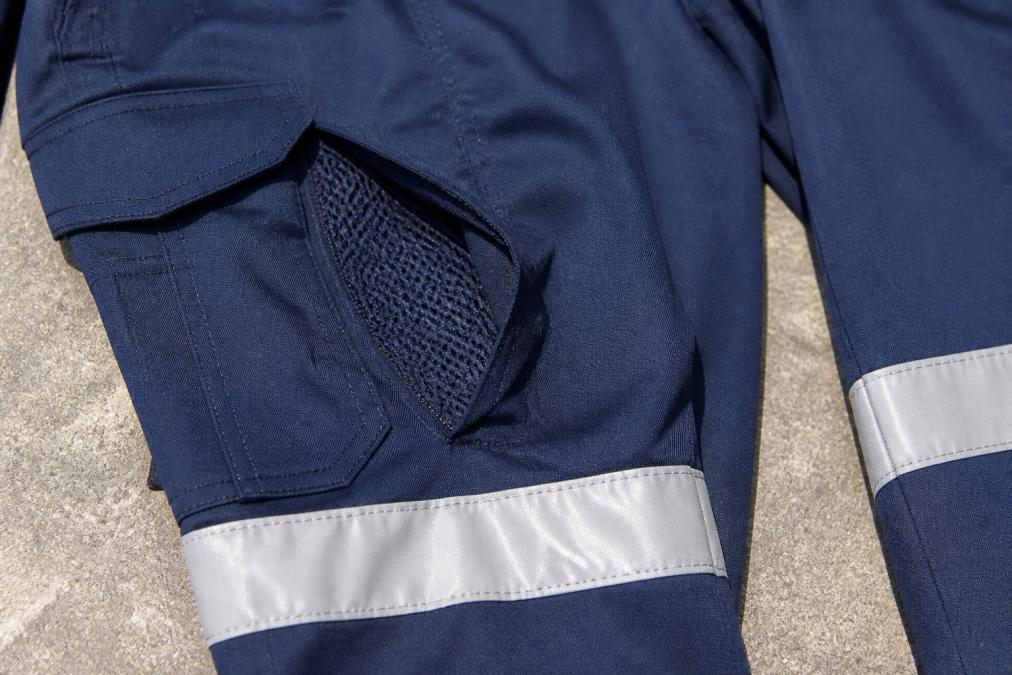
Test mobility before committing to bulk orders. Have team members squat, bend, and reach in candidate trousers. If movement feels restricted or fabric bunches at joints, the fit is wrong regardless of fabric quality.
Heat stress management depends partly on fit and partly on fabric. A well-fitted pair of breathable trousers in the right fabric blend will keep your core temperature lower during peak heat hours. This translates to fewer heat-related complaints and better productivity.
Consider your specific work environment. A plumbing crew doing rooftop work in full sun faces different heat stress than an electrical team working in shaded indoor spaces. The rooftop crew needs maximum breathability and lightweight design. The indoor team can prioritize durability and abrasion resistance.
Durability versus weight trade-offs
Heavier fabrics resist tearing and last longer. Lighter fabrics breathe better and reduce heat stress. Most outdoor trade workers need a balance rather than an extreme on either end.
A 40% polyester and 60% cotton blend at standard weight (around 250-280 gsm) strikes this balance. It breathes significantly better than pure cotton while maintaining durability through multiple seasons of job-site wear.
If your team works in high-abrasion environments (concrete cutting, demolition, heavy construction), accept slightly heavier trousers with reinforced seams and ripstop panels. The durability gain justifies the minimal heat penalty.
If your team works in pure heat environments with low abrasion risk (roofing, outdoor landscaping, utility work in open areas), prioritize lightweight breathable trousers even if they need replacing more frequently. The heat stress reduction improves safety and productivity enough to offset replacement costs.
Layering Strategies for Extreme Heat Conditions
When outdoor temperatures exceed 35°C, even breathable work pants have limits (the CDC). Layering strategies help manage heat stress beyond what single garments can achieve.
Start with moisture-wicking base layers. Lightweight, fitted shirts in synthetic blends pull sweat away from your core and allow it to evaporate. This reduces the load on your body's cooling system.
Wear loose, light-coloured outer layers over fitted base layers. The air gap between layers creates an insulating zone that slows heat absorption from direct sunlight. Light colours reflect heat rather than absorbing it.
The Combo Mens Work Pants and Yellow Shirt Reflective Tape ($79.00) and Combo Mens Work Pants and Shirt Reflective Tape Orange ($79.00) bundle breathable trousers with matching shirts designed for layering. The shirts feature breathable mesh at the collar and underarms, creating ventilation zones that work with the trousers' moisture-wicking properties.
Rotate between two pairs of work pants during extreme heat shifts. Wearing one pair, then switching to a dry pair halfway through the day prevents the clammy feeling that comes from sweat-saturated fabric. This simple rotation reduces heat stress perception and improves comfort.
Take regular breaks in shaded areas. Even the best workwear has limits when ambient temperature and direct sun exposure reach extremes. Scheduled breaks allow your core temperature to stabilise and prevent heat exhaustion.
Drink water continuously, not just when you feel thirsty. Dehydration accelerates heat stress. A hydrated body cools itself more effectively than a dehydrated one, regardless of clothing.
Maintaining Durability in Lightweight Work Trousers
Lightweight work trousers require slightly different care than standard-weight workwear to maintain their breathability and durability.
Wash in cold water rather than hot. Hot water can damage synthetic fibres and reduce the effectiveness of moisture-wicking properties. Cold water cleans effectively and preserves fabric integrity.
Avoid fabric softeners. They coat synthetic fibres and reduce their ability to wick moisture. Plain detergent cleans without compromising function.
Dry on low heat or air dry. High heat can damage polyester fibres and cause permanent shrinkage. Air drying takes longer but preserves the fabric's properties and extends the working life of the trousers.
Inspect seams and reflective tape regularly. Small tears at seams can spread quickly if not addressed. Replace reflective tape if it begins peeling or fading. These maintenance checks take minutes and prevent catastrophic failures on the job.
Store in a cool, dry place. Prolonged exposure to heat or moisture degrades fabric and can cause mildew. A simple shelf in a dry storeroom is sufficient.
| Maintenance Task | Frequency | Impact |
|---|---|---|
| Cold water wash | After each wear | Preserves moisture-wicking, prevents shrinkage |
| Inspect seams | Weekly | Catches small tears before they spread |
| Check reflective tape | Monthly | Ensures compliance and visibility |
| Air dry completely | After wash | Prevents mildew and fabric degradation |
| Replace tape if fading | As needed | Maintains AS/NZS 4602.1 compliance |
Lightweight work trousers from Hi Vis Work Clothes are designed to withstand job-site conditions when cared for properly. The combination of breathable fabric, reinforced construction, and compliant reflective tape makes them a reliable choice for outdoor trade work across hot Australian conditions.
Outdoor trade work in heat demands workwear that manages moisture and maintains visibility without adding weight. The breathable work pants covered in this guide, particularly the cotton-polyester blends from Hi Vis Work Clothes, deliver on both fronts.
When you need reliable, compliant, and genuinely breathable work trousers for your team, Hi Vis Work Clothes offers custom branding options, bulk pricing for teams of any size, and durable construction that survives multiple seasons of hard use. Get a quote today and equip your team with workwear that keeps them safe, visible, and comfortable.
Frequently Asked Questions
Q: What are the best breathable work pants for hot weather trade work?
A: The best breathable work pants combine moisture-wicking synthetic-cotton blends (40% polyester, 60% cotton) with ventilation features like mesh panels and articulated knees.
Look for lightweight designs with quick-dry properties and reflective tape for visibility. Pants with gusseted crotches and reinforced stitching provide mobility and durability without excess weight, making them ideal for outdoor trade work in high-temperature conditions.
Q: Do all breathable work pants meet AS/NZS 4602.1 compliant workwear standards?
A: Not all breathable work pants meet AS/NZS 4602.1 compliant workwear requirements. Compliance depends on reflective tape specifications, colour classification, and visibility standards.
When selecting work pants, confirm the product carries the appropriate reflective tape width (typically 5 cm) and meets high-visibility safety classifications. Check the product specifications or contact the supplier to verify compliance for your specific worksite requirements.
Q: Are lightweight work pants durable enough for heavy-duty trade work?
A: Lightweight work pants can be durable for heavy-duty trade work if they feature reinforced stitching, ripstop fabric panels in high-stress areas, and abrasion-resistant synthetic blends.
The key is balancing weight reduction with durability through strategic reinforcement at stress points like pockets and seams. Quality lightweight pants with gusseted crotches and articulated knees provide both comfort and longevity for demanding outdoor trade environments.
Q: How do moisture-wicking work trousers improve comfort on site?
A: Moisture-wicking work trousers actively pull sweat away from your skin to the fabric surface, where it evaporates quickly. This thermal regulation reduces heat stress, keeps you dry during intense physical work, and minimises chafing.
Quick-dry synthetic blends combined with ventilation design create better airflow, allowing your body to cool naturally. Workers in moisture-wicking trousers report fewer complaints about overheating and improved focus during long shifts in hot conditions.
This article was written using GrandRanker
Recent Blogs
August 22, 2026
7 Best Breathable Work Pants for Outdoor Trade Work
Find the best breathable work pants for outdoor trade work....
August 22, 2026
7 Best Breathable Work Pants for Outdoor Trade Work
Find the best breathable work pants for outdoor trade work....
August 22, 2026
7 Best Breathable Work Pants for Outdoor Trade Work
Find the best breathable work pants for outdoor trade work....